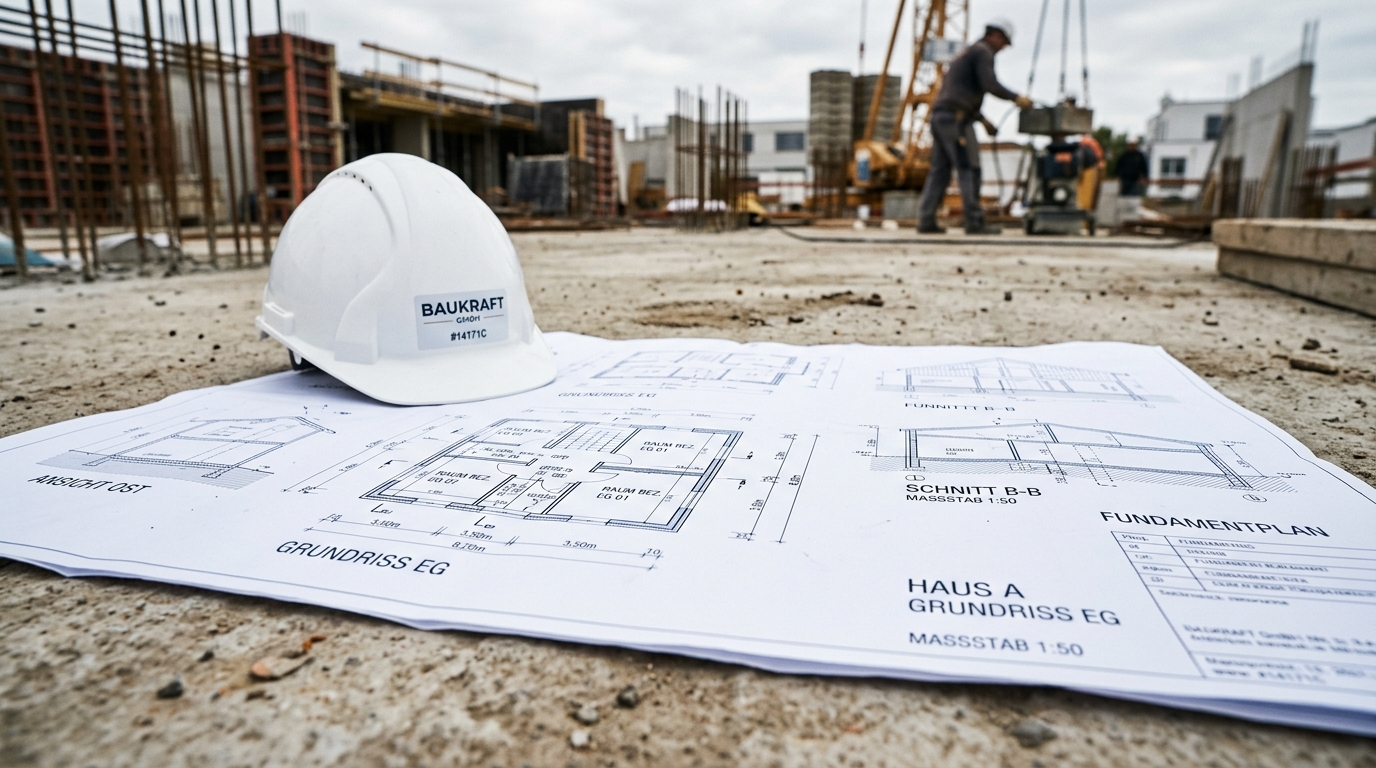
Why Waiting for the Official Tender Means You Have Already Lost
Relying solely on published, open-market tenders places contractors in an immediate disadvantage. By the time a public invitation to tender is officially published, the project's specifications, timelines, and technical requirements are completely locked in. For sales leaders and managing directors at German construction and trades firms trying to find construction projects with healthy margins, entering the race at this late stage means competing almost entirely on price. Strict public procurement regulations heavily restrict how bids are submitted and evaluated, leaving zero room for consultative selling or custom value propositions.
- The Price-Driven Commodity Trap: When bidding on open public tenders, your proposal is placed in direct competition with dozens of bidders. This environment forces a race to the bottom, shrinking profit margins down to the absolute minimum.
- Rigid Regulatory Barriers: Formal procurement processes prohibit any direct negotiations or post-bid adjustments. If your technical team identifies a more efficient way to execute the design, you cannot pitch it to improve your odds or margins.
- Pre-Selected Winners: In many commercial and public projects, the principal developer or general contractor has already discussed specifications with preferred partners during the planning phase. The official tender is often just a legal formality.
To break free from this highly competitive cycle, German Mittelstand companies must shift their focus to the pre-tender phase. Identifying building and infrastructure developments during the early planning stages allows you to engage with decision-makers directly. This early outreach enables you to shape the scope of work, establish trust, and secure high-margin negotiated contracts before your competitors even know the project exists.
The Science of Early-Stage Signals in the German Construction Market
Waiting for a formal public tender notice to go live means entering a highly competitive, low-margin race. Smart B2B sales teams in Germany bypass this by tracking the regulatory milestones that occur months or even years before a shovel hits the ground to find construction projects early. By understanding the structural milestones of local development, Mittelstand enterprises can systematically pre-qualify high-value opportunities, initiate contact with project owners, and pitch their specialized services before formal competitive bidding begins.
- Municipal Zoning Plans: Local council resolutions indicating future land use changes and early site preparation decisions.
- Preliminary Building Inquiries: Developers submitting early requests to evaluate site feasibility, signaling intent before committing to expensive final blueprints.
- Funding and Budget Approvals: Public subsidies, infrastructure grants, or corporate renovation budgets allocated for energy-efficiency upgrades.
- Official Building Applications: The formal submission of architectural designs to building authorities, serving as a reliable lead indicator for physical construction activity.
The practical application of these signals depends heavily on whether a project is public or private. Public developments follow transparent municipal timelines, whereas private commercial investments often leave subtler digital footprints, such as company relocation listings, corporate succession moves, or distress-driven asset liquidations. For decision-makers and sales leaders in the construction sector, tracking these multi-dimensional triggers is key to bypassing cold outreach. Aligning sales pipelines with early regulatory and corporate actions allows firms to secure high-margin work when project specifications are still flexible.
How to Spot Municipal Council Resolutions and Local Development Plans
Public infrastructure and municipal projects in Germany do not appear out of thin air. They follow a highly structured, multi-stage planning process governed by the Federal Building Code, known as the BauGB. Long before a public tender is officially published, municipalities must vote on land-use frameworks and specific development designs. For business owners and sales leaders in crafts and construction, identifying these early indicators represents the ultimate competitive advantage. By tracking city council voting agendas and zoning modifications, you can identify future building and renovation projects while they are still in the embryonic phase, allowing your team to establish relationships with developers and local decision-makers before competitors even realize an opportunity exists.
Key Municipal Signals for Early-Stage Project Tracking
- Council Voting Agendas: Local city council meetings are open to the public, and their published agendas outline upcoming infrastructure investments, school expansions, or public building renovations.
- Binding Land-Use Plans: The formal approval of a local development plan defines exactly what type of construction is legally permitted on specific properties, signalling imminent private or commercial builds.
- Public Funding Commitments: Municipal budget releases and regional funding approvals reveal exactly which public facilities have secured financial backing for structural modernizations or energy-efficiency upgrades.
Manually parsing hundreds of municipal portals and local council agendas is an enormous operational bottleneck for Mittelstand sales teams. This is why advanced modules like cernaMoves become invaluable. By systematically tracking municipal registers and local council decisions, the platform automatically flags these early-stage planning indicators. For sales departments, this intelligence turns raw public data into an active pipeline of highly lucrative, pre-tender commercial opportunities.
Unlocking Opportunities Through Building Permit Applications and Filings
Building permit applications represent the highest-probability commercial signal for upcoming technical services and fit-outs. While public tenders only appear when the technical parameters are already set, a building permit filing reveals a project weeks or months before the work goes to market. For B2B sales teams in German mid-market firms, tracking these filings provides an early warning system. Every year, local authorities process thousands of permits for new structures and extensive renovations of existing spaces. Securing access to these filings allows you to engage the developer before competitor bids arrive, positioning your company as an indispensable strategic advisor.
- Monitor municipal building registries and official local gazettes where new construction applications must be publicly disclosed.
- Identify key project developers, owners, or architects from the registry to find who has the ultimate decision-making power.
- Offer early-stage design-and-build advisory services or technical consulting to shape project requirements in your favor.
By acting on these early indicators, sales teams and project leads in the construction sector can bypass the price-driven tender race entirely. Offering early technical advisory services often secures a direct contract or a preferred partner status for complex installations, such as modern HVAC or tailored electrical fits in a commercial building renovation project. Platforms like Cernavio aggregate and analyze these permit filings automatically. For instance, the Cernavio Team plan delivers automated alerts on municipal register changes, helping your sales team identify high-margin construction projects early and win building work before it goes to tender.
Tracking Corporate Restructuring and Renovation Trigger Events
Private sector building projects are rarely spontaneous; they are almost always born out of major corporate change events. For Mittelstand sales teams in trades, fit-out, and technical services, these structural shifts represent a goldmine of unadvertised contracts. Whether a company is expanding its operations, relocating to a new headquarters, or adjusting its footprint due to financial restructuring, every physical transition requires immediate physical modification of commercial real estate.
Monitoring these transitions allows service providers to pitch office remodeling, partitioning, and technical facility installations long before a formal bidding process is ever drafted. This proactive approach is highly lucrative, especially considering that the German upkeep and building renovation market for non-residential structures represents a massive segment worth over 54 billion euros annually. Identifying these triggers early changes the entire sales dynamic.
- Business relocations: When a company changes its registered office or relocates departments, the new facility almost always requires custom tenant fit-outs and space adaptation.
- M&A facility consolidation: Corporate mergers and acquisitions frequently lead to the consolidation of administrative offices or logistics hubs, prompting massive refurbishment and rebranding projects.
- Operational expansion plans: Register filings indicating capital increases or newly registered branch offices are reliable precursors to localized physical expansion.
- Distressed assets and restructuring: Tracking insolvency proceedings or restructuring phases reveals properties that must be rapidly modernized or repaired to facilitate liquidation or leasehold handovers.
Systematically monitoring commercial register updates, local business press, and organizational shifts allows Mittelstand sales teams to find construction projects and pinpoint upcoming private renovation work. Navigating these indicators enables you to reach decision-makers with a custom-tailored technical service or fit-out proposal before competitive bids are formally requested, securing a high-margin advantage and avoiding price wars.
A Proactive Sales Playbook to Find Construction Projects Early
Transitioning from reactive bidding to proactive outreach is essential for B2B Mittelstand companies looking to protect margins. Waiting for public tenders means entering a price-driven race to the bottom. Instead, when sales teams find construction projects before specifications are finalized, they can achieve up to 20 percent higher project profitability. For German firms in the construction and trade sector, this shift requires transforming the traditional sales pipeline from a reactive bidding unit into an active market scouting engine.
| Pipeline Phase | Key Data Triggers | Competitive Advantage | Margin Impact |
|---|---|---|---|
| Early-Stage (Proactive) | Zoning plans, council resolutions, permit applications | Zero competition, exclusive relationship building | High (up to 20% profitability increase) |
| Late-Stage (Reactive) | Published public tenders, open bidding portals | High competition, rigid specifications | Low (price-driven price squeeze) |
To execute this proactive playbook, mid-market sales teams must establish a structured, three-step workflow. First, set up a systematic signal-monitoring routine to monitor municipal development plans, commercial register shifts, and zoning permits. Second, map out developer contact networks to identify decision-makers before they hire main contractors. Finally, execute high-impact pre-tender sales pitches. Instead of talking about price, focus on technical value-first messaging that aligns with the developer's specific design goals, securing a preferred supplier position before the official tender starts.
Implementing this systematic approach requires consistency. Rather than relying on sporadic manual searches across local gazettes, sales departments can leverage integrated platforms like Cernavio to monitor municipal decisions, planning registers, and corporate real estate activities. Initiating contact at the precise moment a project receives zoning approval ensures your technical expertise is integrated into the initial specifications, effectively locking out late-stage competitors.
Using AI-Powered Opportunity Intelligence to Automate Lead Discovery
For lean sales teams at German B2B Mittelstand firms, manually monitoring thousands of local municipal portals, zoning resolutions, and commercial registers is an impossible task. This administrative burden drains valuable resources, while static contact databases decay at a rapid rate of 22% to 30% per year. By the time a sales representative identifies a potential lead, competitor bids have often already been submitted. To stay ahead, companies must shift from reactive searching to proactive, trigger-based lead generation that captures early signals before competitors do.
| Sourcing Method | Lead Trigger Speed | Operational Efficiency |
|---|---|---|
| Manual Portal Tracking | Delayed (weeks after official publication) | Low (demands constant manual search) |
| Cernavio Team Feed | Real-time (upon public record or web visit) | High (fully automated AI alerts) |
To automate this discovery, businesses use platforms like the Cernavio Team plan, starting at 249 EUR per month, to unify multiple opportunity signals. The platform combines public records with proprietary visitor intelligence, allowing teams to identify active intent early. For instance, rather than waiting for an official tender, the system alerts sales teams when a developer starts researching relevant terms or visits the company website anonymously. This real-time visibility enables trades and technical service providers to secure high-margin construction projects long before a formal bidding war begins.
Beyond tracking, scaling outreach requires turning complex data into actionable sales strategies. AI-driven systems process unstructured municipal records and generate clear briefs containing key decision-makers and context-rich outreach templates. This automated enrichment reduces the time spent on pre-call research from hours to minutes. As a result, sales leaders can equip their teams with verified insights, ensuring every pitch is timed perfectly to match the early stages of a project lifecycle.
To find construction projects early, sales teams should monitor municipal council resolutions, zoning and development plans, building applications, and corporate relocation announcements. Tracking these early signals gives contractors a 6 to 12-month head start before any public bidding begins.
Public tenders in Germany, governed by strict procurement guidelines, are heavily regulated and typically awarded to the lowest bidder. This drives profit margins down. By finding construction projects in the pre-tender phase, firms can negotiate contracts directly based on quality and expertise rather than engaging in a price war.
Municipal council resolutions are the earliest public records of intended infrastructure, school, or municipal office renovations. Since public bodies must vote on development budgets, these records provide a clear roadmap of future local construction activities long before tender documents are drafted.
Corporate events such as relocations, mergers and acquisitions, or insolvency filings often lead to significant facility restructuring. For example, when a mid-market firm expands or takes over another company, they must invest in facility remodeling, fire protection upgrades, and technical fit-out services.
Yes, advanced Opportunity Intelligence platforms like Cernavio Team use AI to scan millions of public records, local gazettes, and company registers. This automates the discovery of building applications and development resolutions, allowing sales teams to focus on outreach instead of manual search.
Once an early signal like a building permit application is identified, sales teams should reach out to the project developer or architect directly. Proposing preliminary design and fit-out advisory services establishes trust and positions your firm as the preferred partner before formal bids are requested.